
How to choose a prosthetic foot is an important topic for anyone researching prosthetic limb options. This practical guide explains what to consider and how to prepare for informed conversations with a qualified prosthetist.
Why prosthetic foot selection matters
A prosthetic foot affects how a lower-limb prosthesis responds during standing and walking. There is no single best prosthetic foot for everyone. The most useful choice depends on your mobility goals, daily environments, overall prosthesis, and recommendations from your clinical team.
Start with your everyday activities
Think about where you walk most often. Smooth indoor floors, sidewalks, stairs, ramps, grass, and uneven paths place different demands on a prosthetic system. Tell your prosthetist whether you spend long periods standing, walk mainly short distances, commute regularly, or participate in higher-impact activities. Your actual routine is more helpful than choosing a device solely because it has an advanced-sounding feature.
Understand common prosthetic foot designs
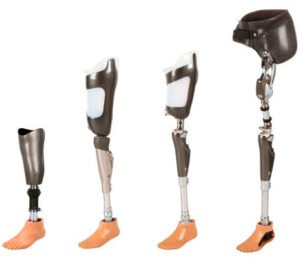
Basic designs may prioritize stability and durability for limited mobility needs. Dynamic-response feet are designed to store and return some energy during gait. Some systems incorporate multiaxial movement or adjustable features to accommodate varied terrain. Each design has trade-offs in weight, feel, maintenance, and suitability. Product labels alone cannot predict comfort or performance.
Check compatibility and total cost
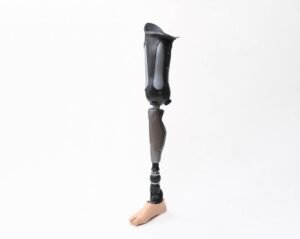
A foot must work with the rest of the prosthesis, including its connection hardware, alignment, loading limits, and any applicable manufacturer requirements. Consider the total cost of the component, professional fitting, alignment, adjustments, and future maintenance. Do not assume that a product sold online is ready for independent installation.
What to discuss at a fitting appointment
Ask whether the proposed foot matches your activity level, how it behaves on slopes, whether it has water-exposure limitations, what footwear it supports, and how adjustments will be handled. If you notice pressure, instability, or new discomfort, contact your prosthetist rather than attempting unsupervised modifications.
Browse and learn more
Explore our prosthetic products shop and prosthetic component resources. For a broader comparison, read our prosthetic leg buying guide. These resources can help you prepare informed questions for a professional fitting.
Medical note: This article provides general education, not personalized medical advice. Prosthetic selection, fitting, and adjustments should involve qualified healthcare professionals.