
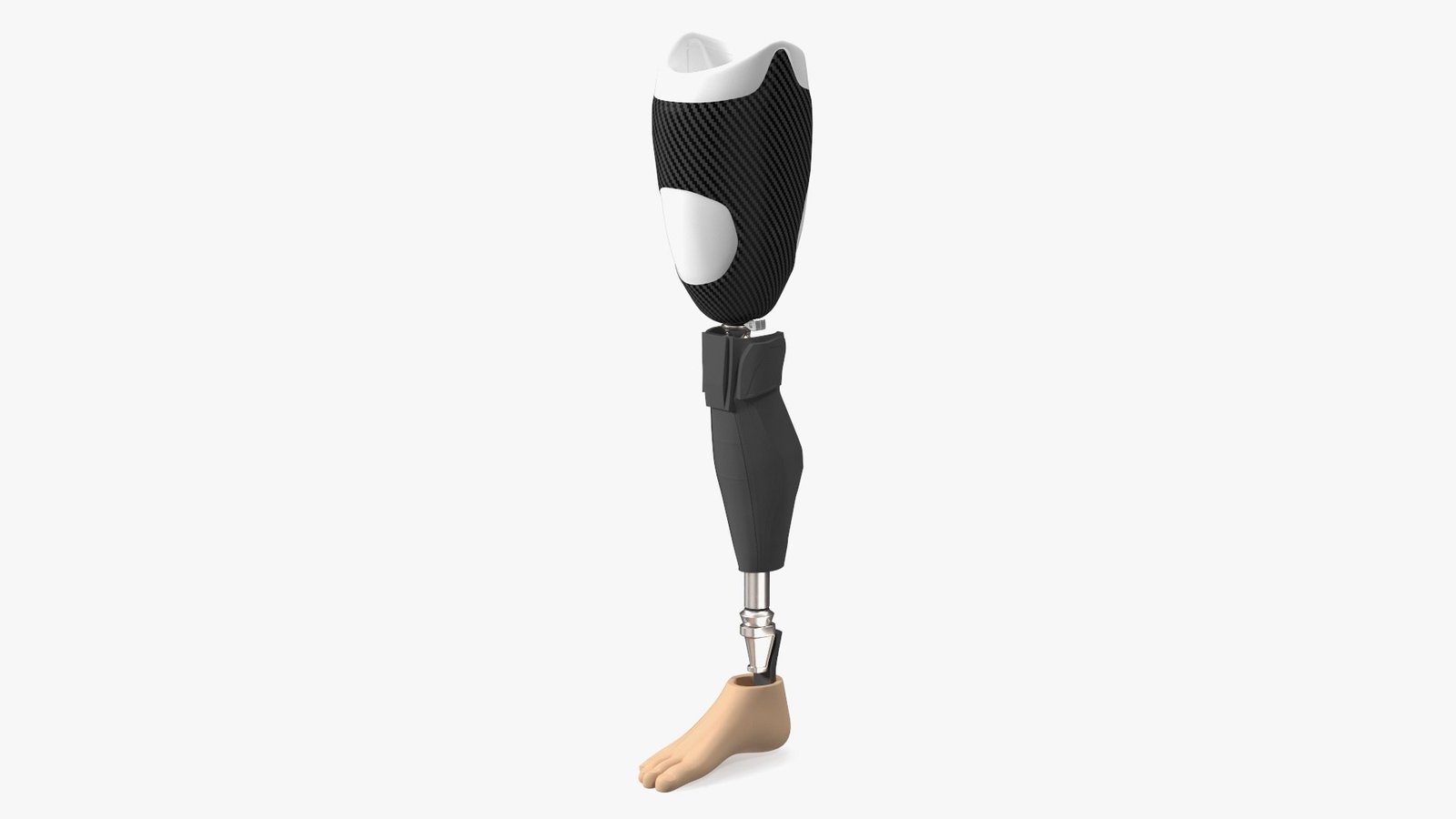
Above-Knee Prosthetics (Transfemoral)
Above-knee prosthetics are designed for individuals who have undergone amputation above the knee. These prostheses include an artificial knee joint along with a prosthetic foot, making them more complex than other types. Users require more energy and balance to walk effectively since the natural knee is absent. Advanced options such as microprocessor-controlled knees improve movement and stability. These prosthetics are suitable for both everyday use and active lifestyles.
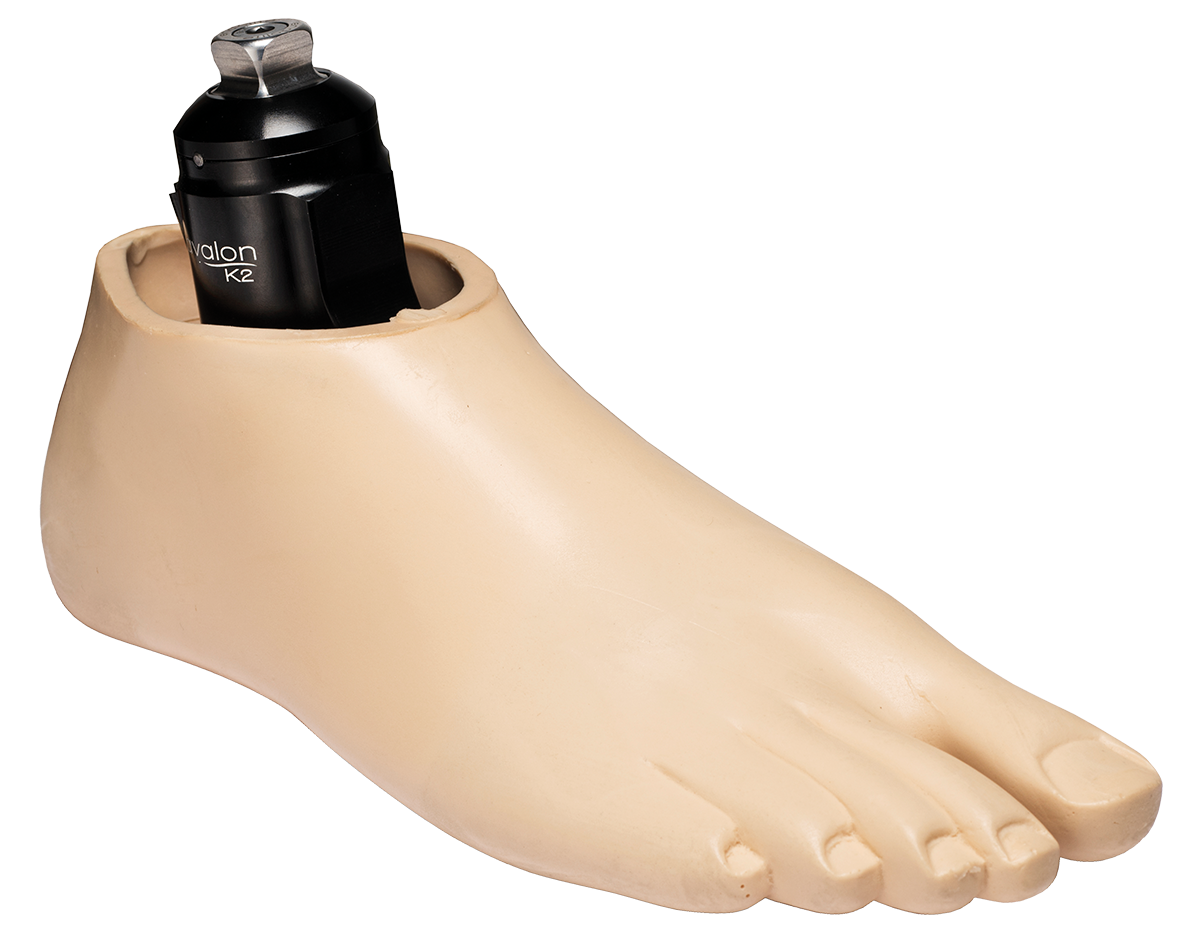
Ankle Disarticulation Prosthetics
Ankle disarticulation prosthetics are used when the amputation occurs at the ankle joint. These prosthetics allow the user to bear weight on the end of the residual limb, which improves stability. They typically include a prosthetic foot and a supportive socket for proper fitting. Compared to partial foot prosthetics, they provide better balance and control. They are suitable for individuals with moderate activity levels. These devices help improve walking efficiency and overall mobility.
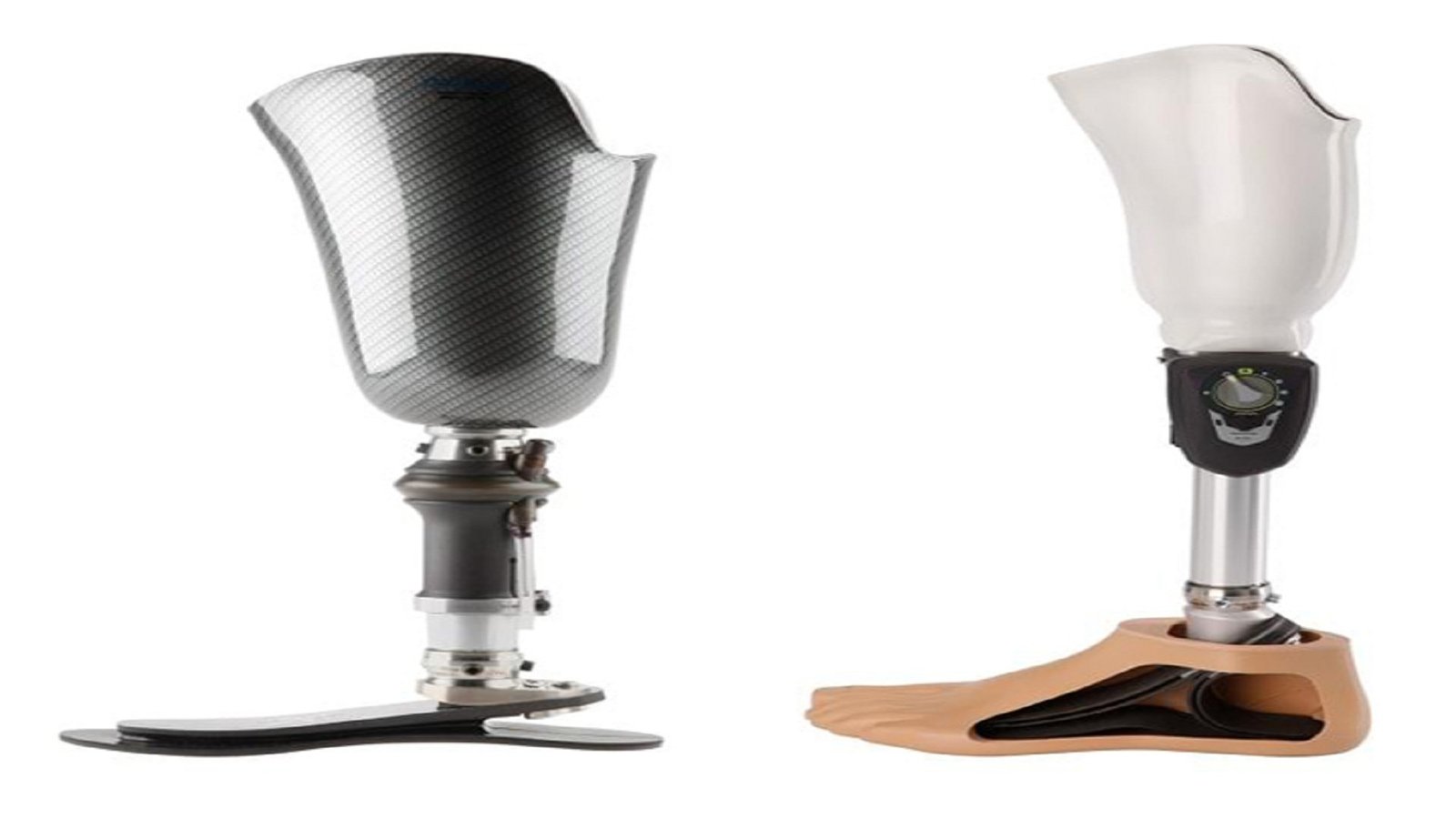
2. Below-Knee Prosthetics (Transtibial)
Below-knee prosthetics are used when the amputation occurs below the knee, allowing the natural knee joint to remain intact. This makes walking easier and more efficient compared to above-knee prosthetics. These devices typically consist of a socket, pylon, and prosthetic foot. They provide better control, comfort, and mobility for users. Below-knee prosthetics are suitable for both daily activities and sports. They are the most common type of prosthetic leg used worldwide.
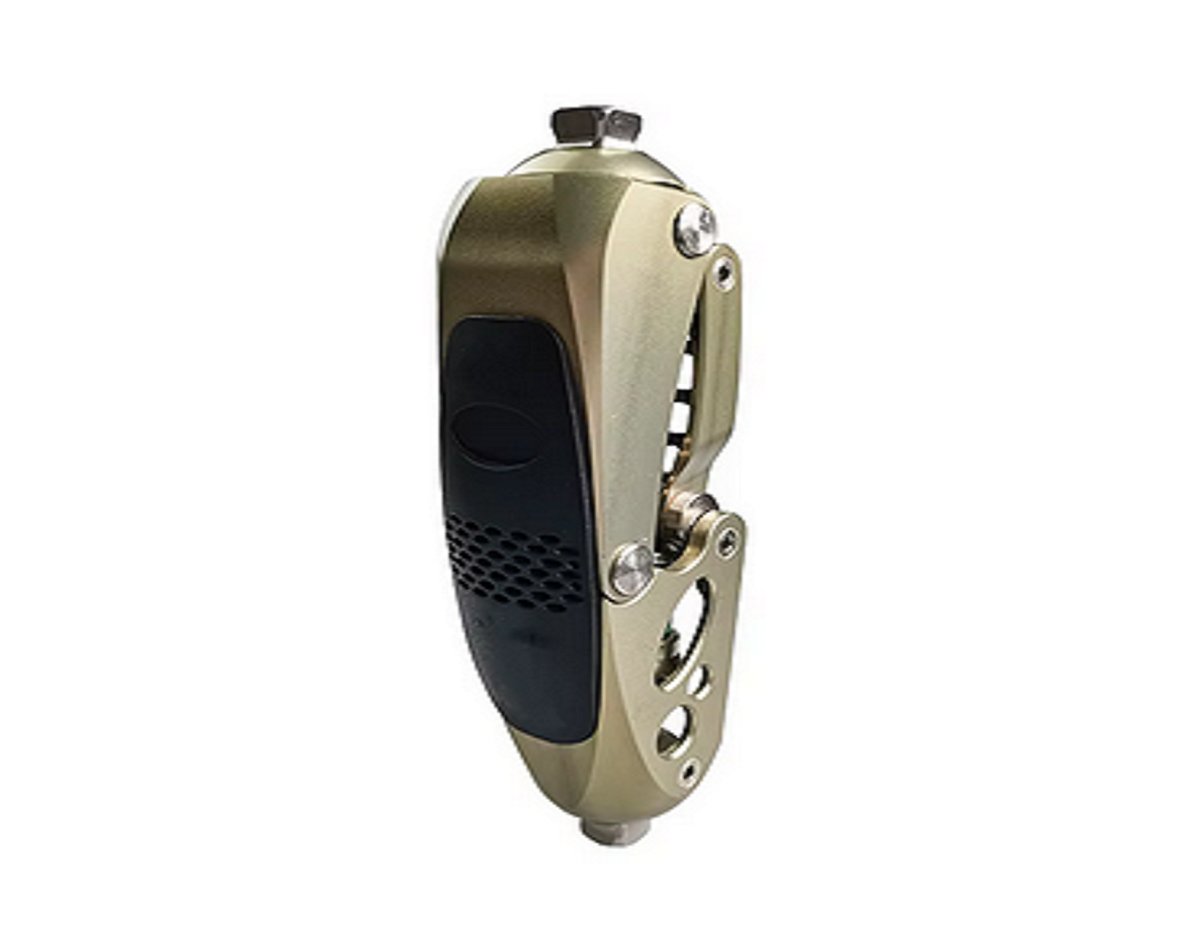
Knee Disarticulation Prosthetics
Knee disarticulation prosthetics are designed for individuals whose amputation occurs through the knee joint. This type provides a longer residual limb, which helps improve control and stability. The prosthetic includes an artificial knee joint and foot for proper movement. Compared to above-knee prosthetics, it offers better balance and easier weight distribution. Users benefit from improved standing and walking stability. It is often recommended for individuals seeking enhanced mobility and comfort.
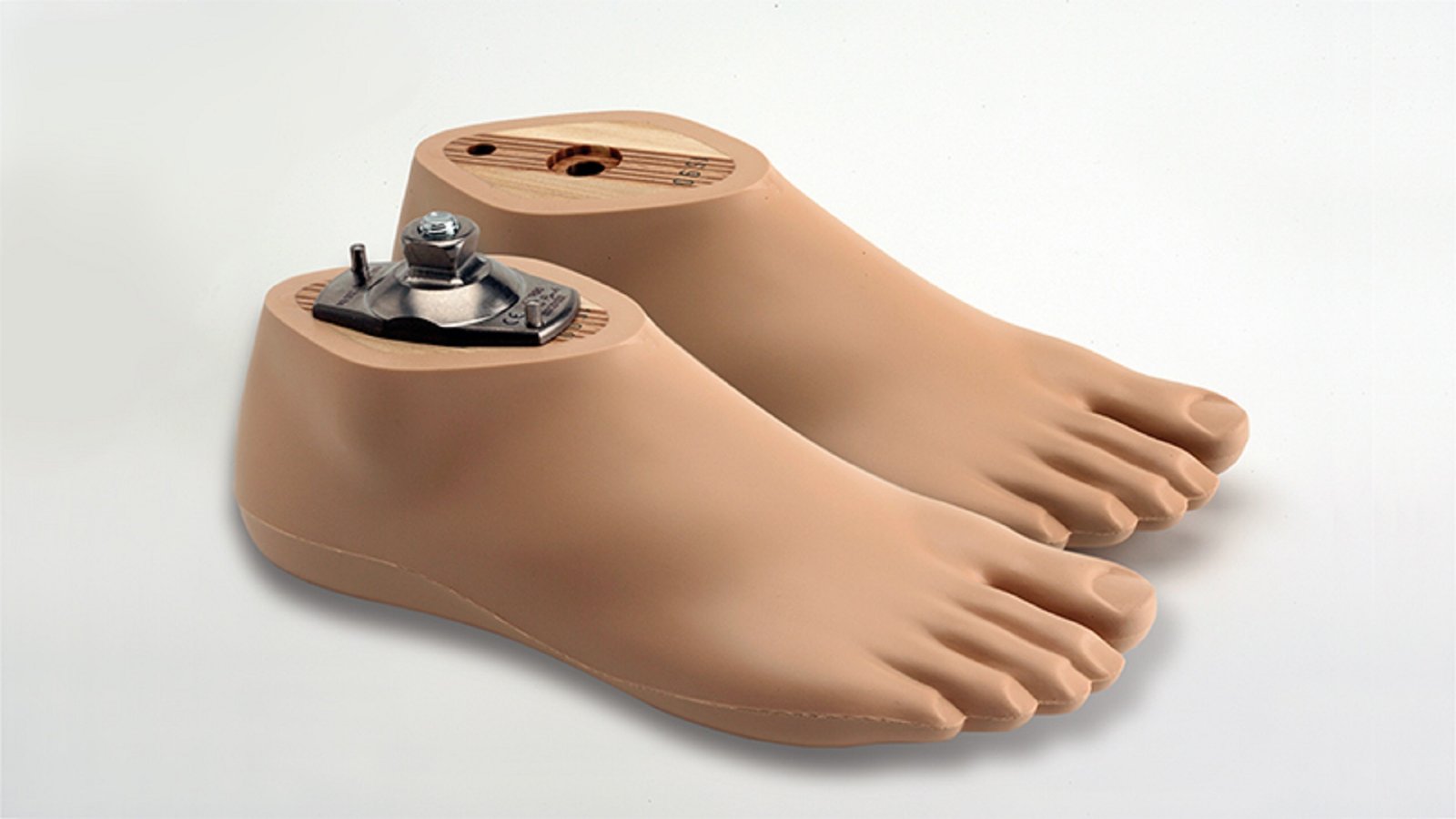
Foot / Partial Foot Prosthetics
Foot or partial foot prosthetics are designed for individuals who have lost toes or a portion of the foot. These prostheses help restore balance and improve walking ability. They are usually lightweight and can easily fit inside regular shoes, making them discreet and comfortable. Some are designed for cosmetic purposes, while others focus on functional support. They also help distribute body weight evenly to reduce strain on the remaining foot. These prosthetics are ideal for minor amputations.
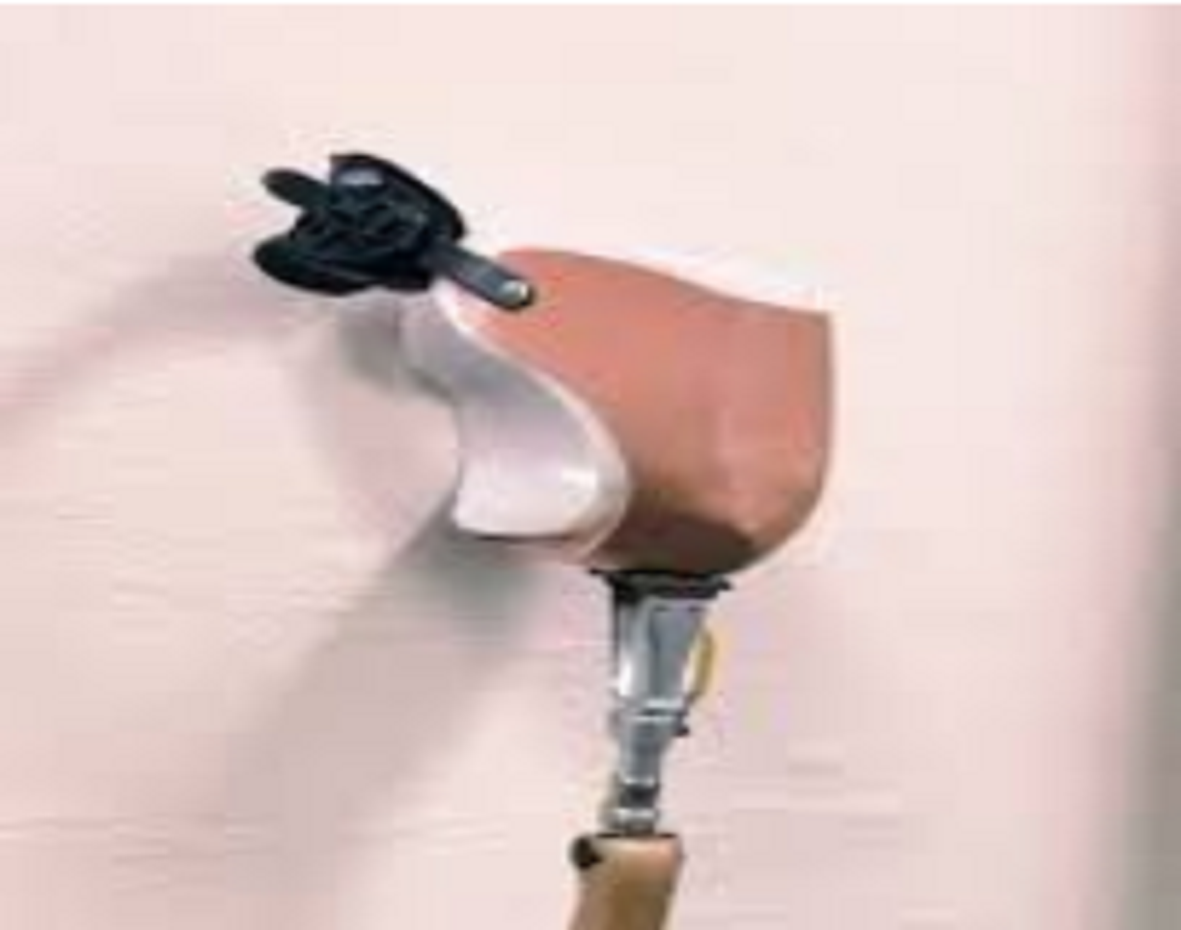
Hip Disarticulation Prosthetics
Hip disarticulation prosthetics are used when the entire leg is removed at the hip joint. These are the most complex types of prosthetic limbs, as they include artificial hip, knee, and foot components. Users require significant training and rehabilitation to use them effectively. Despite their complexity, they provide mobility and independence for individuals with severe amputations. These prosthetics are designed to offer maximum stability and controlled movement. They are essential for restoring basic walking ability in such cases.