
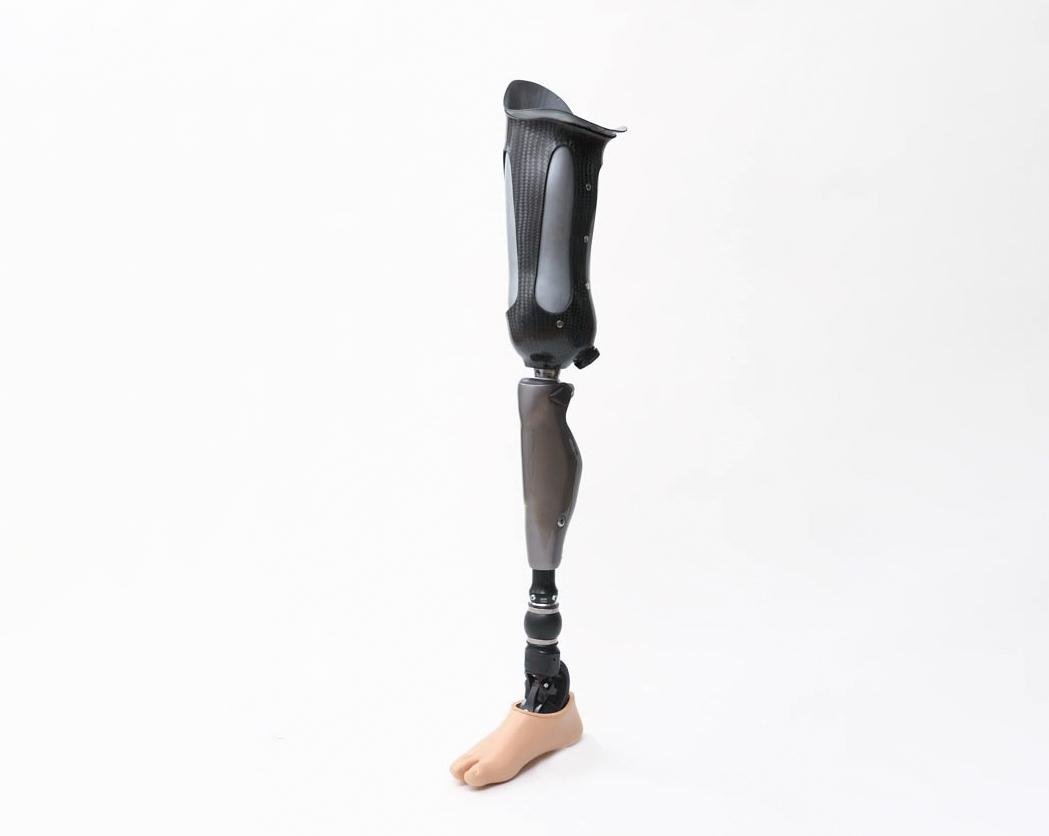
Modern prosthetic legs have transformed mobility and independence for people around the world. In 2026, advanced prosthetic technology offers improved comfort, flexibility, and durability for individuals seeking reliable mobility solutions. Whether for daily activities, sports, or rehabilitation, prosthetic legs continue to improve quality of life for amputees.
Today’s prosthetic limbs are designed using lightweight materials, advanced engineering, and customizable fittings to provide natural movement and enhanced comfort.
Types of Prosthetic Legs
There are different types of prosthetic legs available depending on individual needs and mobility goals. Common options include below-knee prosthetics, above-knee prosthetics, sports prosthetics, and microprocessor-controlled limbs.


4
Each prosthetic solution is designed to improve balance, movement, and overall mobility for users.
External Link
Learn more about prosthetic technology at Hanger Clinic
Benefits of Modern Prosthetic Legs
Modern prosthetic limbs offer many advantages thanks to advanced medical technology and custom fitting systems.
Key benefits include:
- Improved mobility
- Better comfort and flexibility
- Lightweight materials
- Enhanced balance and movement
- Greater independence in daily activities


4
Many users can now participate in sports, fitness activities, and professional work comfortably with advanced prosthetic devices.
External Link
Visit Amputee Coalition for prosthetic support resources.
Choosing the Right Prosthetic Leg
Selecting the right prosthetic leg depends on lifestyle, mobility needs, comfort preferences, and medical recommendations. Consulting a qualified prosthetist is important for proper fitting and long-term comfort.
Factors to consider include:
- Activity level
- Weight and durability
- Socket comfort
- Technology features
- Maintenance requirements


4
Proper fitting and rehabilitation training can significantly improve mobility and confidence.
External Link
Explore prosthetic rehabilitation information at Mayo Clinic Prosthetics Guide
Advances in Prosthetic Technology
Innovations in prosthetic engineering continue to improve mobility solutions. Some modern prosthetic legs now include:
- Microprocessor-controlled knees
- Smart sensors
- Carbon fiber materials
- Energy-return feet
- Bluetooth connectivity

4
These technologies help create more natural movement and improved stability for users.
External Link
Learn about prosthetic innovations at Ottobock
Conclusion
Prosthetic legs in 2026 provide advanced mobility solutions that help individuals regain independence and confidence. With modern materials, custom fittings, and innovative technology, prosthetic limbs continue to improve comfort, movement, and overall quality of life for users worldwide.