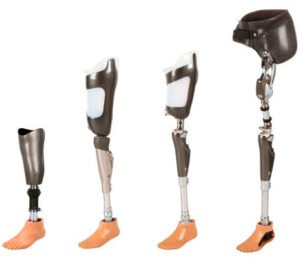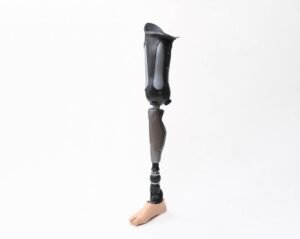


Prosthetic leg maintenance is an important topic for people comparing prosthetic options. This guide explains practical considerations and questions to discuss with your prosthetist.
Why routine care matters
Prosthetic components experience daily loading and wear. Regular checks help you notice changes and prepare for professional maintenance. Always follow instructions for your particular device.
Daily visual checks
Look for visible cracks, damage, unexpected movement or worn suspension parts. Unusual noises, instability or a sudden change in alignment warrant prompt professional review. Do not attempt structural repairs yourself.
Cleaning the socket and liner
Use manufacturer-approved cleaning methods for liners and skin-contact surfaces. Some materials require specific products and drying techniques. Keeping surfaces clean can support comfort without exposing components to harsh chemicals.
Water and temperature precautions
Not all prostheses are approved for immersion, salt water or high temperatures. Check the ratings of every component before water activities, and avoid assuming that water-resistant means waterproof.
When professional servicing is needed
Ask your prosthetist about service intervals, replacement parts and what to do after a fall or impact. Plan for ongoing costs using our buying checklist and explore prosthetic products.
Educational information only; this is not personalized medical advice. A qualified clinician should guide prosthetic fitting, selection and adjustments.