

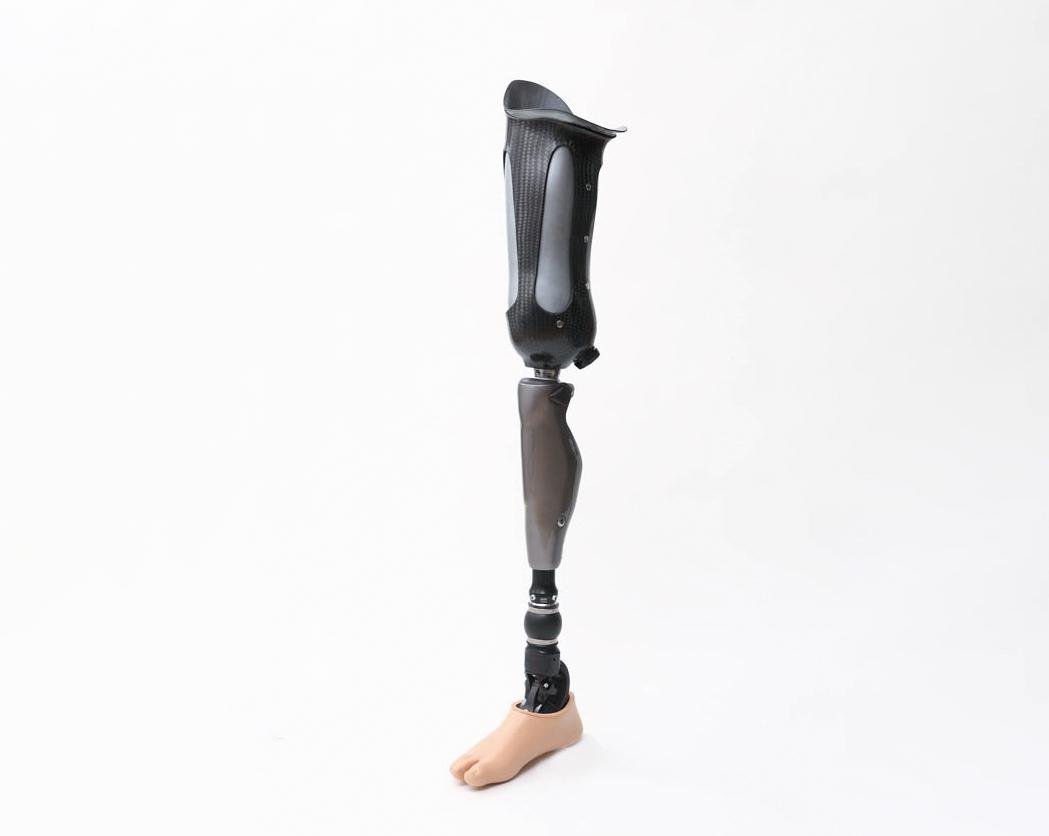
Prosthetic leg buying checklist is an important topic for anyone researching prosthetic limb options. This practical guide explains what to consider and how to prepare for informed conversations with a qualified prosthetist.
Before you compare prosthetic legs
A prosthetic leg is not a one-size-fits-all product. Fit, alignment, component compatibility, mobility goals, and ongoing clinical support matter as much as the advertised specifications. Use this checklist when researching products or preparing for an appointment with a qualified prosthetist.
1. What type of prosthesis do I need?
Confirm whether your needs involve a below-knee or above-knee system and which components are required. The answer depends on your anatomy and clinical evaluation.
2. How will the socket be fitted?
Ask how measurements, trial fittings, and adjustments work. A comfortable and appropriately fitted socket is central to using a prosthesis safely.
3. Which suspension system is appropriate?
Different suspension systems secure the prosthesis in different ways. Discuss comfort, ease of use, skin considerations, and maintenance.
4. What is my realistic activity level?
Describe the places you walk and activities you want to pursue. A component designed for a different activity profile may not suit your needs.
5. Are the components compatible?
Ask the prosthetist to confirm that the foot, knee, connectors, socket, and other parts work together and meet relevant specifications.
6. What does the quoted price include?
Request an itemized estimate that distinguishes components, fitting, alignment, follow-up care, repairs, and potential replacement parts.
7. What are the warranty and return terms?
Read warranty conditions carefully. Some components have restrictions once fitted or used; confirm who handles manufacturer support.
8. What maintenance is required?
Ask about cleaning, inspections, expected service intervals, and who to contact if a part becomes damaged or unstable.
9. What training and follow-up are available?
Rehabilitation and follow-up adjustments may be important. Ask what support is available after the initial fitting.
10. What should I do if something feels wrong?
Know who to contact for pain, skin irritation, instability, or unusual mechanical behavior. Do not continue using a device that seems unsafe without professional advice.
Next steps
Start by browsing available prosthetic products, then review prosthetic areas and components and our overview of prosthetic legs for sale. This checklist is educational and is not a substitute for clinical advice.
Medical note: This article provides general education, not personalized medical advice. Prosthetic selection, fitting, and adjustments should involve qualified healthcare professionals.


