

Below-knee prosthetic leg components is an important topic for people comparing prosthetic options. This guide explains practical considerations and questions to discuss with your prosthetist.
Understanding a below-knee prosthesis
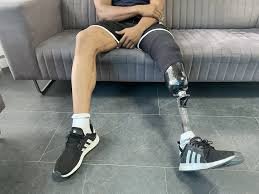
A below-knee, or transtibial, prosthesis replaces functions of the missing lower leg while the person’s anatomical knee remains. The system is selected and fitted for individual needs.
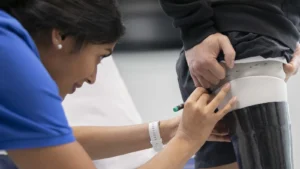
The custom socket
The socket connects the residual limb to the prosthesis and influences comfort and control. Fit may require adjustment over time as the limb and daily activities change.
Liners and suspension systems
Liners may provide an interface between skin and socket, while suspension helps keep the prosthesis attached. Designs vary in comfort, care requirements and ease of use.
Pylon and connecting hardware
Structural connectors and pylons join the socket to the foot and allow alignment. Compatibility, loading limits and professional assembly are important for safety.
Choosing a prosthetic foot
Foot designs differ in stability, flexibility and response on different terrain. Read how to choose a prosthetic foot, use our buying checklist, and browse products.
Educational information only; this is not personalized medical advice. A qualified clinician should guide prosthetic fitting, selection and adjustments.