
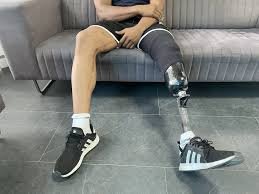
Lightweight Prosthetic Leg – A Complete Guide to Comfort and Mobility
Lightweight Prosthetic Leg


A lightweight prosthetic leg is designed to improve mobility, reduce fatigue, and enhance comfort for individuals with limb loss. Advances in prosthetic technology have made artificial legs lighter, stronger, and more efficient, allowing users to move more naturally. These prosthetics are especially beneficial for individuals who want to stay active without feeling weighed down by heavy components.
What Is a Lightweight Prosthetic Leg?
A lightweight prosthetic leg is typically made using advanced materials such as carbon fiber, titanium, and high-quality polymers. These materials provide a strong structure while significantly reducing overall weight. As a result, users experience better balance, smoother walking patterns, and improved energy efficiency. The combination of strength and lightness makes these prosthetics suitable for both daily activities and more demanding physical tasks.


6
Benefits of Using a Lightweight Prosthetic Leg
One of the main benefits of a lightweight prosthetic leg is reduced fatigue. Because the prosthetic is easier to move, users can walk longer distances without excessive strain. This leads to increased comfort and improved overall mobility. In addition, lightweight prosthetics help users maintain better posture and reduce pressure on the residual limb, which is essential for long-term use. Many users also report improved confidence as they regain independence in daily life.
Types of Lightweight Prosthetic Legs
There are different types of lightweight prosthetic legs available depending on the level of amputation and lifestyle needs. Below-knee prosthetics are generally lighter and easier to control, making them ideal for many users. Above-knee prosthetics, while more complex, now incorporate advanced lightweight components that improve balance and movement. There are also specialized sports prosthetics designed for running and high-performance activities, offering flexibility and energy return.


9
How to Choose the Best Lightweight Prosthetic Leg
Choosing the right lightweight prosthetic leg requires careful consideration. Proper fit is essential to ensure comfort and prevent irritation. Users should also consider their activity level, as different prosthetics are designed for different purposes. High-quality materials such as carbon fiber are recommended for durability and performance. Consulting a qualified prosthetist is important to ensure the prosthetic is correctly fitted and adjusted to meet individual needs.
Conclusion
A lightweight prosthetic leg offers a practical and effective solution for improving mobility and quality of life. With the right combination of materials, design, and professional guidance, users can enjoy greater comfort, reduced fatigue, and increased independence. As technology continues to advance, lightweight prosthetic legs will become even more efficient and accessible for people around the world.
lightweight prosthetic leg, prosthetic leg, carbon fiber prosthetic leg, artificial leg lightweight, prosthetic limb, prosthetic leg for sale, advanced prosthetic leg, prosthetic mobility, durable prosthetic leg