

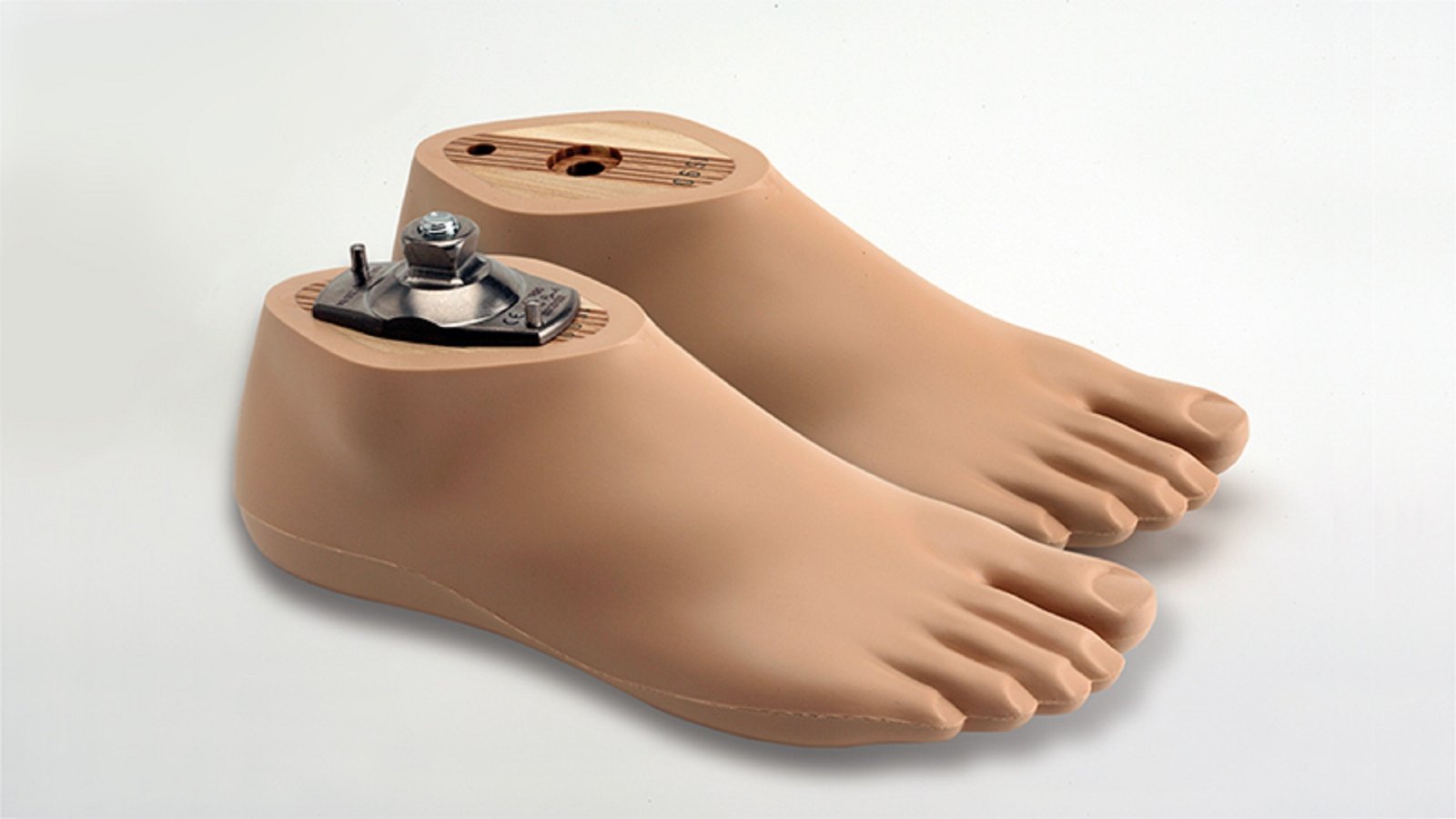
Waterproof prosthetic leg is an important topic for people comparing prosthetic options. This guide explains practical considerations and questions to discuss with your prosthetist.
Water-resistant versus waterproof
Water-resistant devices may tolerate limited exposure while waterproof products may be designed for greater exposure under specified conditions. Neither label means every prosthesis can safely be submerged.
Why every component matters
A complete prosthesis includes components that may have different water ratings. A foot may tolerate water while a knee, connector or other part does not. Follow the most restrictive relevant manufacturer guidance.
Pools, showers and salt water
Fresh water, chlorinated pools and salt water can affect materials differently. Manufacturers may specify rinsing and drying steps, and some products are not approved for swimming or showering.
Before planning water activities
Ask your prosthetist whether the entire system is suitable for your intended activity, how suspension behaves when wet and how to manage slippery surfaces. Do not rely on advertising claims alone.
What to do after unexpected exposure
If the device develops unusual noises, instability or changed behavior after exposure, contact a professional. Avoid opening sealed electronic components. Read our maintenance checklist and browse products.
Educational information only; this is not personalized medical advice. A qualified clinician should guide prosthetic fitting, selection and adjustments.


