
Types of prosthetic knees is an important topic for people comparing prosthetic options. This guide explains practical considerations and questions to discuss with your prosthetist.
What a prosthetic knee does
For above-knee prosthesis users, the knee component helps manage support during stance and movement during swing. Choice depends on mobility, balance, rehabilitation and individual goals.
Mechanical knee systems
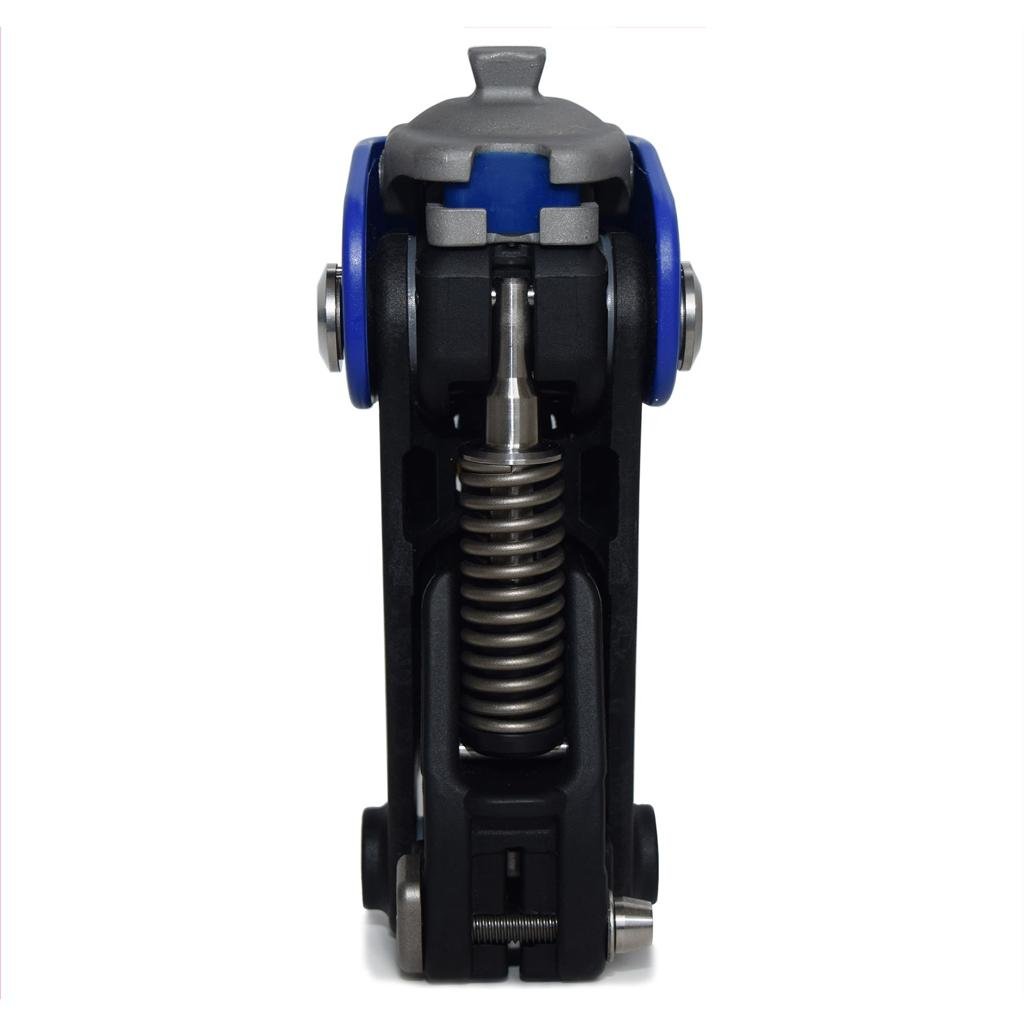
Mechanical designs use physical mechanisms for stability and movement control. They differ in adjustment, behavior and maintenance; the label mechanical does not by itself predict suitability.
Hydraulic and pneumatic knees
Hydraulic and pneumatic mechanisms can influence resistance during movement. Designs differ in walking-speed response, adjustability and maintenance needs. Discuss specific models rather than assuming all hydraulic knees behave alike.
Microprocessor-controlled knees
Microprocessor systems use sensors and electronic control to adjust resistance under certain conditions. Compare charging requirements, service support, terrain features and compatibility. Advanced technology is not necessarily the best option for everyone.
Questions for choosing a knee
Ask about stability, slopes, stairs, weight, water exposure, cost and compatibility with your socket and foot. See our above-knee versus below-knee guide and available products.
Educational information only; this is not personalized medical advice. A qualified clinician should guide prosthetic fitting, selection and adjustments.