
Prosthetic leg socket fit is an important topic for people comparing prosthetic options. This guide explains practical considerations and questions to discuss with your prosthetist.
Why socket fit matters
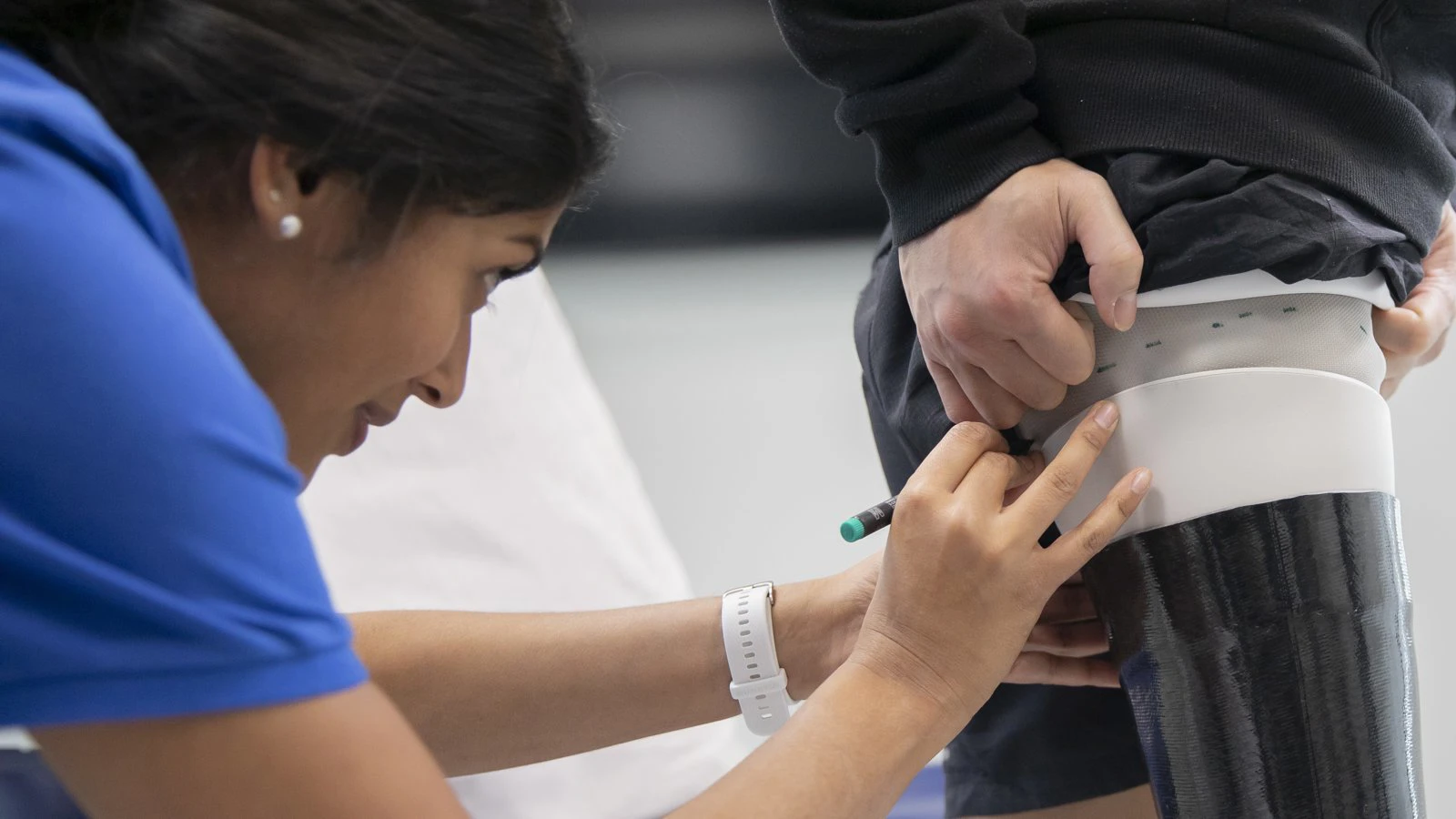
The socket is the custom interface between your residual limb and prosthetic system. Its fit influences comfort, stability and how forces are distributed. A sophisticated knee or foot cannot compensate for an unsuitable socket.
What a suitable fit may feel like
A suitable socket should support secure suspension and predictable control without persistent pain, rubbing or excessive movement. Expectations differ by individual anatomy and suspension type; discuss normal sensations with your prosthetist.
Signs you should contact your prosthetist
Report persistent pressure, blisters, skin breakdown, numbness, slipping or unexpected changes in walking. If the device causes injury or seems unsafe, stop using it and seek professional assessment rather than making unsupervised modifications.
Why fit changes over time
Residual-limb volume may change with activity and time. Liners, socks and suspension parts also wear. A socket that once felt comfortable can need professional review and adjustment.
How to prepare for a fitting appointment
Ask how to monitor skin, manage volume changes according to your care plan, recognize liner wear and schedule follow-up care. Read our prosthetic leg buying checklist and browse related products.
Educational information only; this is not personalized medical advice. A qualified clinician should guide prosthetic fitting, selection and adjustments.