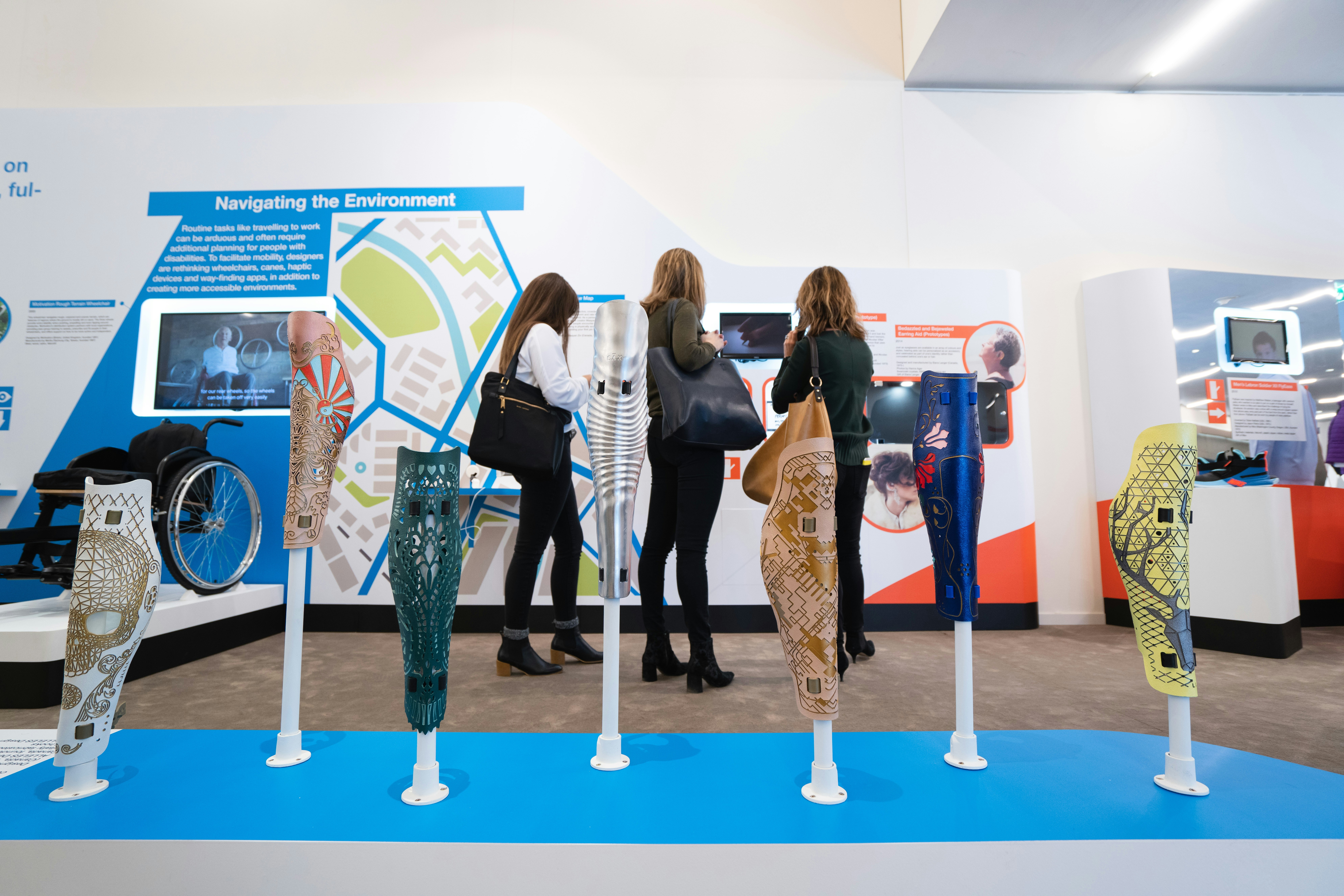
Introduction to Prosthetic Limb Resource Centers
Prosthetic limb resource centers are specialized facilities designed to assist individuals who have lost limbs due to trauma, illness, or congenital conditions. These centers provide access to various essential resources, including evaluation services, rehabilitation programs, and the provision of prosthetic limbs. The primary aim of these centers is to help patients regain mobility and improve their overall quality of life.
One of the key roles of prosthetic limb resource centers is to offer personalized assessment services. This process typically begins with a thorough consultation, where medical professionals evaluate the patient’s unique needs, mobility goals, and lifestyle patterns. Based on this assessment, the center can recommend suitable prosthetic options that enhance the patient’s functionality while factoring in comfort and aesthetics.
Beyond the provision of prosthetic devices, these centers are significant for their focus on rehabilitation and emotional support. Many individuals who undergo amputation face psychological challenges, including depression and anxiety. Resource centers often collaborate with psychologists and therapists to guide patients through the emotional aspects of limb loss. They provide counseling services that help individuals adapt to their new reality, promoting a sense of normalcy in daily life.
Furthermore, education plays a vital role in the mission of prosthetic limb resource centers. These facilities often organize workshops and training sessions to teach patients how to use their prosthetic limbs effectively. This instruction empowers individuals to engage in regular activities and facilitates a smoother transition into their daily routines.
In conclusion, prosthetic limb resource centers serve as crucial lifelines for individuals navigating limb loss. They not only supply essential prosthetic devices but also offer a comprehensive support system that fosters healing, independence, and reintegration into society.
Services Offered by Prosthetic Limb Resource Centers
Prosthetic limb resource centers play an essential role in supporting individuals who have lost limbs by providing a range of comprehensive services tailored to their specific needs. One of the primary services offered is the fitting and adjustment of prosthetic limbs. Trained professionals utilize advanced technology and techniques to ensure that each prosthetic device is customized for optimal comfort and functionality. This process involves meticulous assessments and careful adjustments to meet the unique anatomical requirements of the patient.
Beyond fitting, many resource centers offer extensive rehabilitation programs designed to assist patients in adapting to their new prosthetic limbs. These rehabilitation efforts often encompass individualized physical therapy sessions led by licensed therapists. The goal is to enhance mobility, promote strength, and foster independence in daily activities. By utilizing targeted exercises and training, individuals can experience significant improvements in their overall quality of life.
Additionally, prosthetic limb resource centers focus on the emotional and psychological aspects of adjusting to life with a prosthetic limb. They typically provide counseling support that addresses the mental and emotional challenges faced by patients. This holistic approach recognizes that the journey to recovery and adaptation is not solely physical but also psychological. Counselors work closely with patients to provide coping strategies and emotional support, ensuring a well-rounded experience that caters to both physical and mental health needs.
In summary, prosthetic limb resource centers serve as vital hubs of support, offering essential services that encompass the fitting and adjustment of prosthetic limbs, comprehensive rehabilitation programs, focused physical therapy, and invaluable counseling support. These centers aim to facilitate a smoother transition for patients, ensuring they receive the holistic care necessary to thrive in their daily lives.
Importance of Accessibility and Inclusivity
Accessibility and inclusivity play a crucial role in the functionality of prosthetic limb resource centers. These centers serve as vital support systems for individuals with disabilities, providing them with the necessary tools and resources to lead independent lives. When prosthetic limb resource centers are designed with accessibility in mind, they ensure that all individuals, regardless of their physical capabilities, can obtain essential services without unnecessary barriers.
The integration of inclusive practices not only benefits patients directly, but it also fosters a more positive societal perspective towards individuals with disabilities. By creating environments that cater to diverse needs, societies challenge stereotypes and promote the understanding that those with disabilities can lead fulfilling lives. Such initiatives encourage community engagement and reduce stigmas, paving the way for a more inclusive society.
Moreover, when prosthetic limb resource centers are accessible, they empower patients to take responsibility for their care. Accessible facilities enable individuals to participate in their rehabilitation process actively. This active engagement can lead to improved health outcomes and greater satisfaction with the services provided. Studies indicate that when patients feel included in their care, they are more likely to adhere to prescribed rehabilitation programs and utilize prosthetic limbs effectively.
In addition, prioritizing accessibility creates a ripple effect within the healthcare system. When prosthetic limb resource centers adopt inclusive practices, they set a standard for other healthcare providers, inspiring a shift toward comprehensive care models that prioritize the needs of all patients. Inclusive approaches contribute to a healthcare environment where diversity is celebrated, ensuring everyone receives equal care and support tailored to their unique circumstances.
Choosing the Right Prosthetic Limb Resource Center
Selecting a suitable prosthetic limb resource center is a critical decision that can significantly impact an individual’s rehabilitation process and overall quality of life. When embarking on this journey, several key factors should be carefully evaluated to ensure that the chosen center effectively meets one’s specific needs.
Firstly, consider the location of the resource center. Proximity is essential, as frequent visits may be required for adjustments, maintenance, and therapy. A center that is easily accessible can alleviate transportation issues and encourage consistent follow-ups, which are vital for successful adaptation to a prosthetic limb.
Next, assess the variety of services offered by the center. A comprehensive resource center should provide an array of services including, but not limited to, prosthetic fitting, physical therapy, occupational therapy, and psychological support. This holistic approach is crucial in addressing not only the physical aspects of rehabilitation but also the emotional and social implications that often accompany limb loss.
Moreover, evaluating the qualifications and experience of the staff can greatly influence your choice. Ensure that the resource center employs certified prosthetists, physical therapists, and other professionals with extensive experience in amputee care. Knowledgeable staff can provide personalized care and innovative solutions tailored to individual needs, enhancing the overall experience.
Lastly, consider patient testimonials and reviews when selecting a prosthetic limb resource center. Feedback from previous patients can provide valuable insights into the quality of care, service satisfaction, and the overall atmosphere of the center. Online reviews or discussions with individuals who have undergone similar experiences can inform decisions and help identify centers with a strong reputation for excellence.
Testimonials and Success Stories
The impact of prosthetic limb resource centers is vividly illustrated through the experiences of individuals who have accessed their services. Many beneficiaries share stories of hope, recovery, and newfound mobility that illustrate the transformative influence these centers have on personal lives.
For instance, John, a veteran who lost his leg in combat, attested to the significant role his local resource center played in his rehabilitation process. “When I first got my prosthetic leg, I was overwhelmed with emotion. The staff at the center supported me every step of the way, helping me adapt not just physically but mentally too. They treated me with dignity, which made all the difference in my journey towards recovery,” he expressed. John’s success extended beyond just physical mobility; it included emotional reintegration into society and confidence in his abilities.
Similarly, Maria, a young athlete who faced an amputation due to a traumatic accident, spoke highly of the specialized programs available at her center. “I never thought I could run again, but the training programs I attended at the resource center empowered me. They helped customize my prosthetic for running, and now I’m training for marathons! It’s incredible how they’ve changed my life by restoring my independence,” she shared.
Moreover, the testimonials from parents of children with limb differences highlight the emotional and psychological support provided by these centers. Lisa, a mother of a young boy who recently received a prosthetic limb, remarked, “The resource center has been invaluable. Not only did they assist with the prosthetic fitting, but they also provided us with counseling and support groups. It has eased our family’s transition immensely. My son’s happiness is a testament to the fantastic work they do.”
These narratives underscore the essence of prosthetic limb resource centers—offering more than physical devices; they provide crucial emotional support and a community that fosters resilience and hope for individuals facing similar challenges.
The Latest Innovations in Prosthetic Technology
Prosthetic limb technology has advanced significantly in recent years, driven by innovation and research aimed at enhancing the quality of life for amputees. One of the groundbreaking advancements in this field is the utilization of innovative materials that not only improve the durability and comfort of prosthetic devices but also contribute to a more natural feel and function. Lightweight composites, such as carbon fiber, are now commonly used, allowing for the creation of limbs that are both strong and flexible, which can significantly reduce wear fatigue and improve user mobility.
In addition to new materials, 3D printing technology has emerged as a transformative force in the design and fabrication of prosthetic limbs. This method allows for personalized prosthetics tailored to the unique anatomy of each patient, optimizing comfort and functionality. The fabrication process is efficient and cost-effective, capable of producing intricate designs that traditional manufacturing methods cannot achieve. Moreover, 3D printing facilitates rapid prototyping, enabling faster iterations and adjustments based on patient feedback, ultimately ensuring that the final product meets the specific needs of the user.
Smart prosthetics are another exciting frontier in prosthetic technology. These devices incorporate advanced sensors and microprocessors that mimic natural movement, providing users with increased control and adaptability. For instance, some smart prosthetics are designed to adjust their grip strength based on the object being held, while others can analyze gait and provide real-time feedback to enhance walking patterns. The integration of these technologies not only promotes a more seamless user experience but also empowers amputees to engage in daily activities with confidence.
The ongoing research and development initiatives at prosthetic limb resource centers are essential for fostering these advancements. By continually exploring new technologies and materials, professionals in the field strive to improve the lives of amputees, making everyday tasks more achievable and enhancing overall quality of life.
The Role of Professionals at Prosthetic Centers
Prosthetic limb resource centers play a crucial role in the rehabilitation and support of individuals who require prosthetic limbs. At these centers, a diverse team of professionals collaborates to ensure comprehensive patient care, addressing both physical and emotional aspects of recovery.
Prosthetists are specialized professionals responsible for designing, fabricating, and fitting prosthetic limbs tailored to each patient’s unique needs. Their expertise in biomechanics and material science allows them to create devices that optimize functionality and comfort. The collaboration between the prosthetist and the patient is vital, as it ensures that the prosthetic limb will not only meet the physical requirements but also align with the patient’s lifestyle and preferences.
Occupational therapists also play a significant role at prosthetic centers, focusing on helping patients regain independence in daily activities. They assess the functional capabilities of each individual and develop personalized programs to facilitate the adjustment to life with a prosthetic limb. Through adaptive strategies and techniques, occupational therapists guide patients in performing tasks ranging from self-care to more complex activities, promoting confidence and autonomy.
Physical therapists complement these efforts by focusing on the physical rehabilitation aspect. They work with patients to enhance strength, balance, and coordination, which are fundamental to effective prosthetic limb usage. Through tailored exercise programs and gait training, physical therapists help patients develop the necessary skills to navigate their environment safely and efficiently.
Counselors and support staff provide emotional and psychological support throughout the recovery journey, addressing the mental health challenges that may arise after limb loss. Their presence is critical, as they help patients process their experiences and adapt to their new realities, fostering resilience and positive outlooks.
The collaborative efforts of these professionals create a holistic approach to rehabilitation at prosthetic limb resource centers, ensuring comprehensive support for each patient.
Community Support and Networking Opportunities
Prosthetic limb resource centers play a vital role in fostering community support and facilitating networking opportunities among individuals who use prosthetic limbs. These centers serve as hubs where people can connect with others who share similar experiences, challenges, and successes. One of the key features of these centers is the organization of support groups, which aim to provide emotional and psychological assistance to users and their families. In these supportive environments, individuals can share their journeys, express their feelings, and gain insights from others, ultimately enriching their personal coping strategies.
In addition to support groups, many resource centers offer workshops and educational programs. These sessions typically cover a range of topics, including the latest advances in prosthetic technology, physical rehabilitation exercises, and strategies for daily living with a prosthetic limb. By participating in workshops, individuals not only gain practical knowledge but also have the opportunity to meet others in a similar situation, thus building a network of support that extends beyond the walls of the center.
Various social events are also organized by these centers to promote cohesion and inclusivity. Such events might include recreational activities, outings, or themed gatherings, which encourage friendly interactions among participants. These networking opportunities enhance the sense of community and belonging among individuals with prosthetic limbs, reducing feelings of isolation and fostering friendships. Whether through group activities or informal meet-ups, individuals find solace and companionship within these networks. By establishing connections and sharing experiences, attendees can uplift each other and collectively navigate the emotional and social challenges associated with living with a prosthetic limb.
The Future of Prosthetic Limb Resource Centers
As we look to the future of prosthetic limb resource centers, it is essential to recognize both the opportunities and challenges that lie ahead. One significant trend is the advance of technology, particularly in the fields of 3D printing and biomechanical engineering. These innovations hold the potential to revolutionize the production of prosthetic limbs, making them more accessible and customizable for users. Resource centers can leverage these technologies to offer personalized solutions that meet the unique needs of individuals with limb differences.
Another important aspect is the increasing focus on holistic care within prosthetic limb resource centers. Future centers are likely to adopt a more comprehensive approach, integrating not only the mechanical aspects of limb restoration but also mental health support and occupational therapy. This shift acknowledges the importance of the psychological and emotional well-being of individuals living with limb loss. Such an approach could enhance the overall rehabilitation process, enabling users to adapt more smoothly to life with a prosthetic limb.
However, challenges remain. Funding and resource allocation are critical issues that may hinder the progress of these centers. As demand for services rises, centers will require sustained financial support to keep pace with advancements and to provide high-quality care. Advocacy plays a crucial role here; as public awareness of the needs of individuals with limb differences increases, so too should the support for resource centers that cater to them.
In conclusion, the future landscape of prosthetic limb resource centers appears promising yet fraught with challenges. To ensure these centers can continue to serve effectively, a commitment to innovation, holistic care, and ongoing advocacy is vital. By addressing these factors, we pave the way for a more inclusive environment that enhances the lives of those with limb differences.